A spacecraft does not become real on the day it appears on a mission poster. It becomes real when the pieces stop being separate components and start behaving like one system. That is what NASA announced on August 5, 2026: the Orion crew module and service module for Artemis III have been joined at Kennedy Space Center, following the technical mating operation completed on July 30.
At the same time, the agency confirmed progress on the SLS rocket: RS-25 engines delivered, booster segments in processing, and a new structural spacer under inspection. For anyone following Artemis, this is less an abstract promise and more a snapshot of flight hardware taking shape.
Quick questions about the Artemis III milestone
What exactly happened?
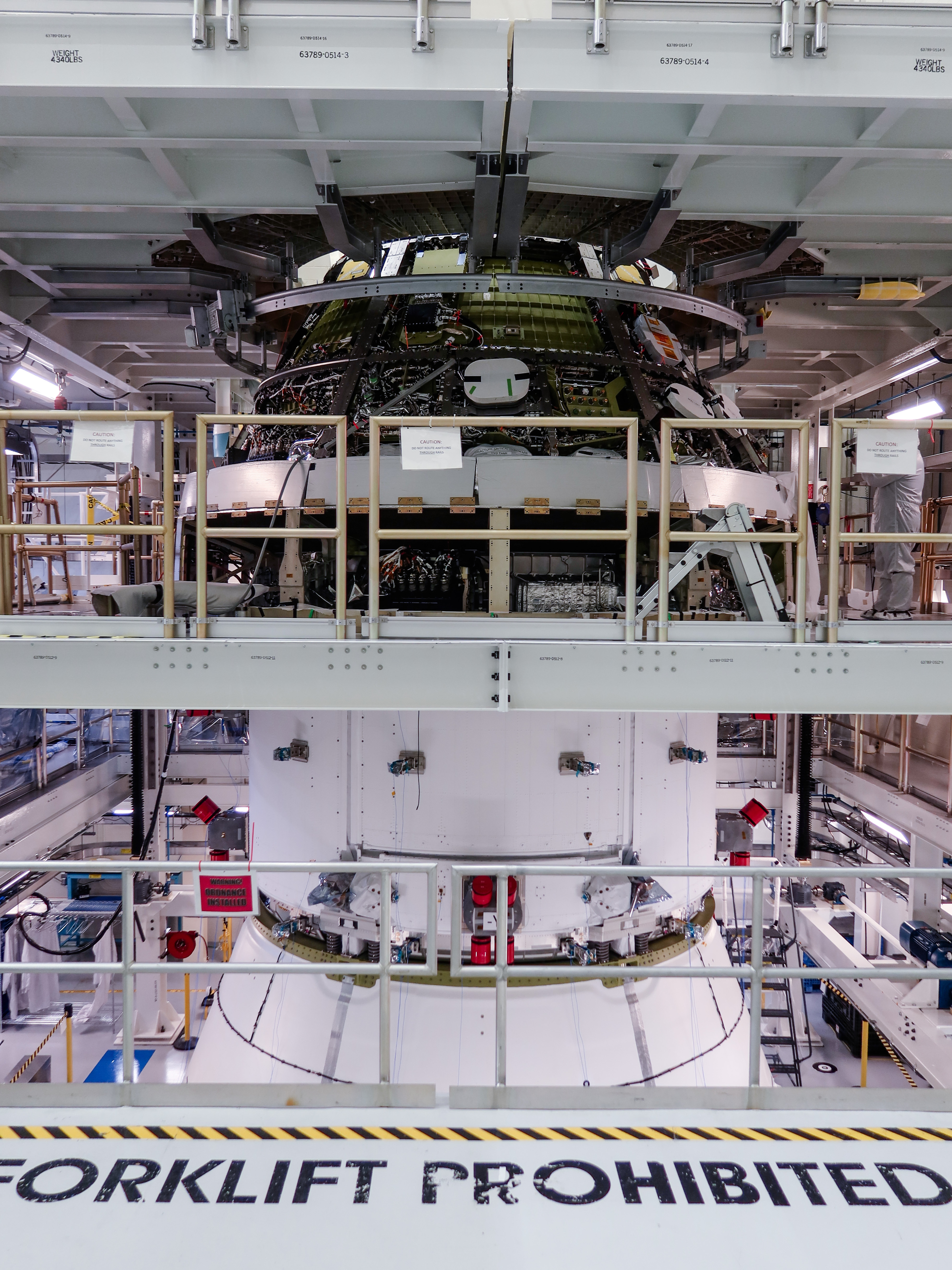
Engineers connected the two major Orion blocks: the crew module, where astronauts travel, and the service module, which provides power, propulsion, and essential support during the mission. The work took place inside the Neil Armstrong Operations and Checkout Building in Florida and prepares Orion for integrated testing as a complete spacecraft.
Why does it matter now?
Because integration changes the phase of the project. Before this point, different teams could test subsystems in parallel; now NASA moves closer to power-on checks, interface tests, wiring validation, and combined spacecraft behavior. This is where schedules stop depending only on paperwork and start depending on assembled, inspected, connected hardware.
Who is expected to fly in this Orion?
NASA said Orion will carry Randy Bresnik, Andre Douglas, and Frank Rubio, together with ESA astronaut Luca Parmitano. This Artemis III configuration is meant to test rendezvous and docking with commercial human landing system test articles from Blue Origin and SpaceX, rather than being framed as a simple Apollo repeat.
What is happening with SLS?
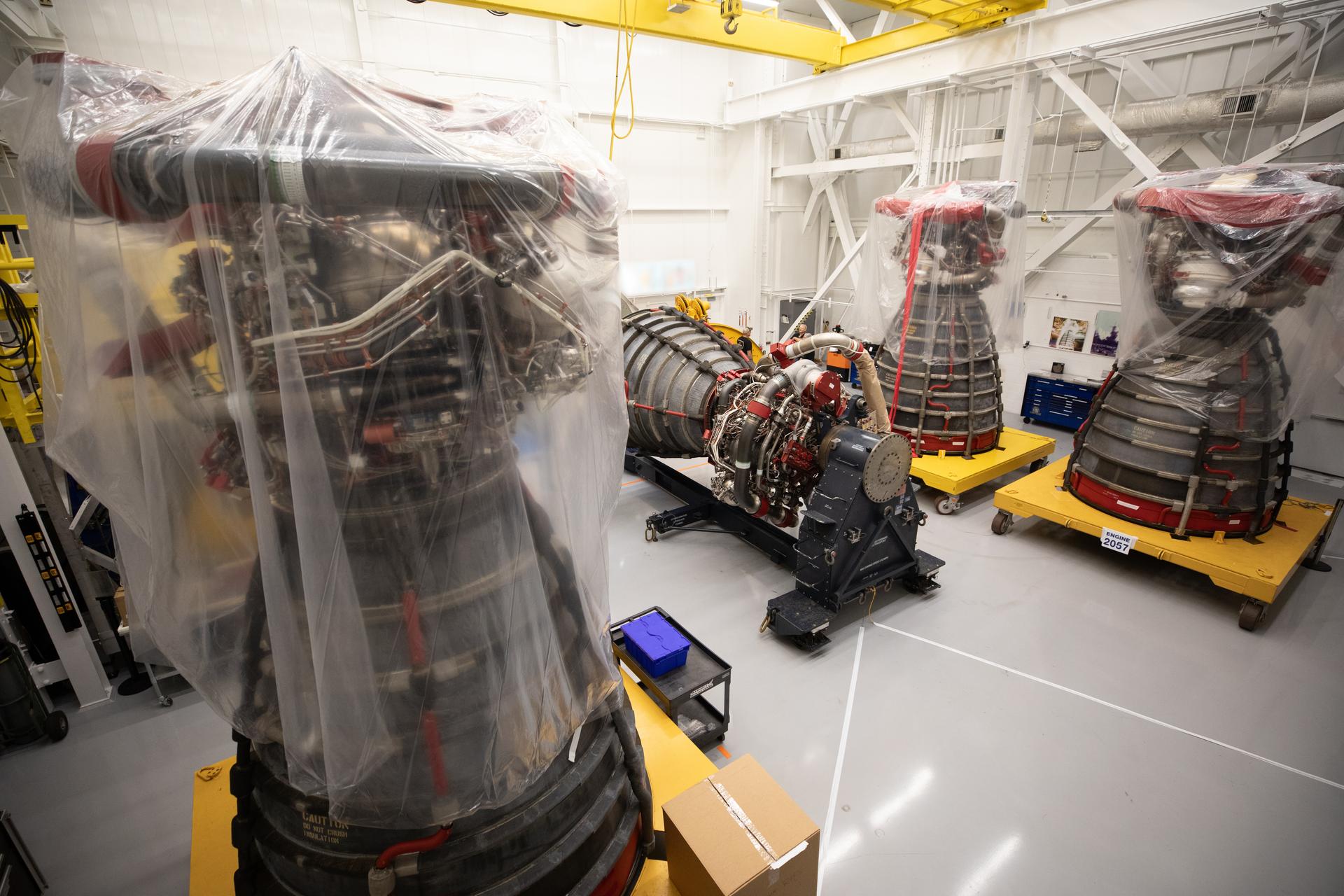
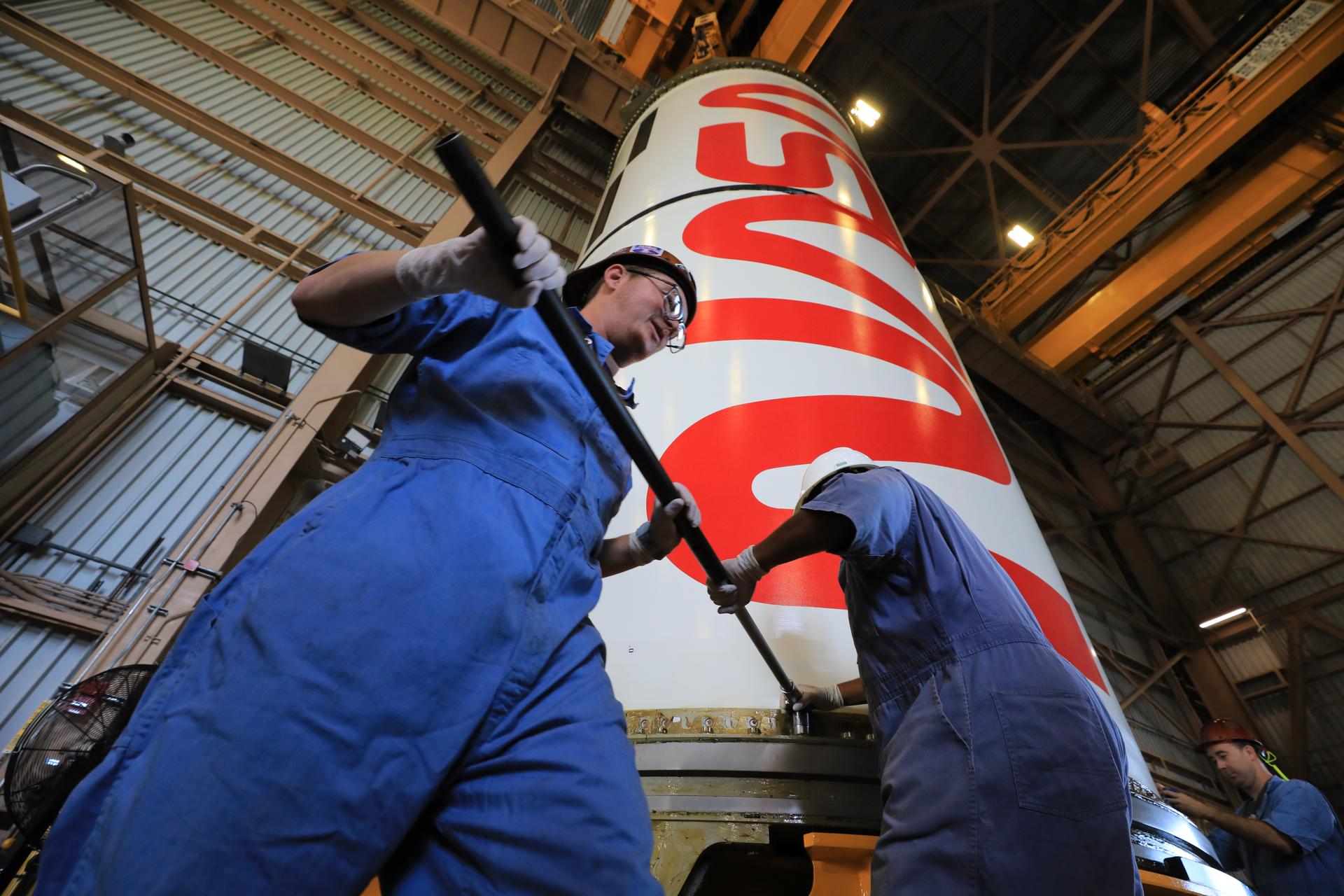
The rocket side is moving too. The four RS-25 engines arrived at Kennedy Space Center on July 21, teams began stacking solid rocket booster segments in early July, and technicians completed inspections and checkouts on critical parts. That cadence matters because Orion and SLS need to converge in the same assembly flow before any launch rehearsal can become credible.
What is the spacer NASA mentioned?
For Artemis III, NASA will use a non-propulsive spacer in place of the interim cryogenic propulsion stage. The goal is to preserve dimensions and interface points, fitting the assembly between the Orion stage adapter and the launch vehicle stage adapter. At Marshall Space Flight Center, technicians completed the eighth and final friction-stir weld on the barrel section, opening the inspection phase.

Is this mission still about landing on the Moon?
The long-term goal remains sustained human return to the Moon, but the Artemis architecture has phases. NASA describes Artemis III as a mission for demonstrating critical systems, including integrated operations between Orion, SLS, and commercial partners, before later lunar missions. The key point is that every rehearsal reduces operational uncertainty for Artemis IV and beyond.
What signal should we take from the announcement?
The signal is that the program is moving from slideware to factory floor. Reused components, faster booster processing, and ground-equipment improvements may sound less cinematic than a Moon landing, but those details are exactly what can turn rare missions into a more predictable cadence.
Sources: NASA update on Orion and SLS published August 5, 2026, NASA Artemis III page, and official Orion and Space Launch System pages.
Comments (0)
No comments yet.