At first glance, the story looks like a standard corporate transaction: a giant buys a private lab, the price is undisclosed, and closing depends on regulatory approvals. But IBM's July 23, 2026 agreement to acquire HRL Laboratories says something more interesting: the quantum race is moving beyond a single bet on one qubit technology.
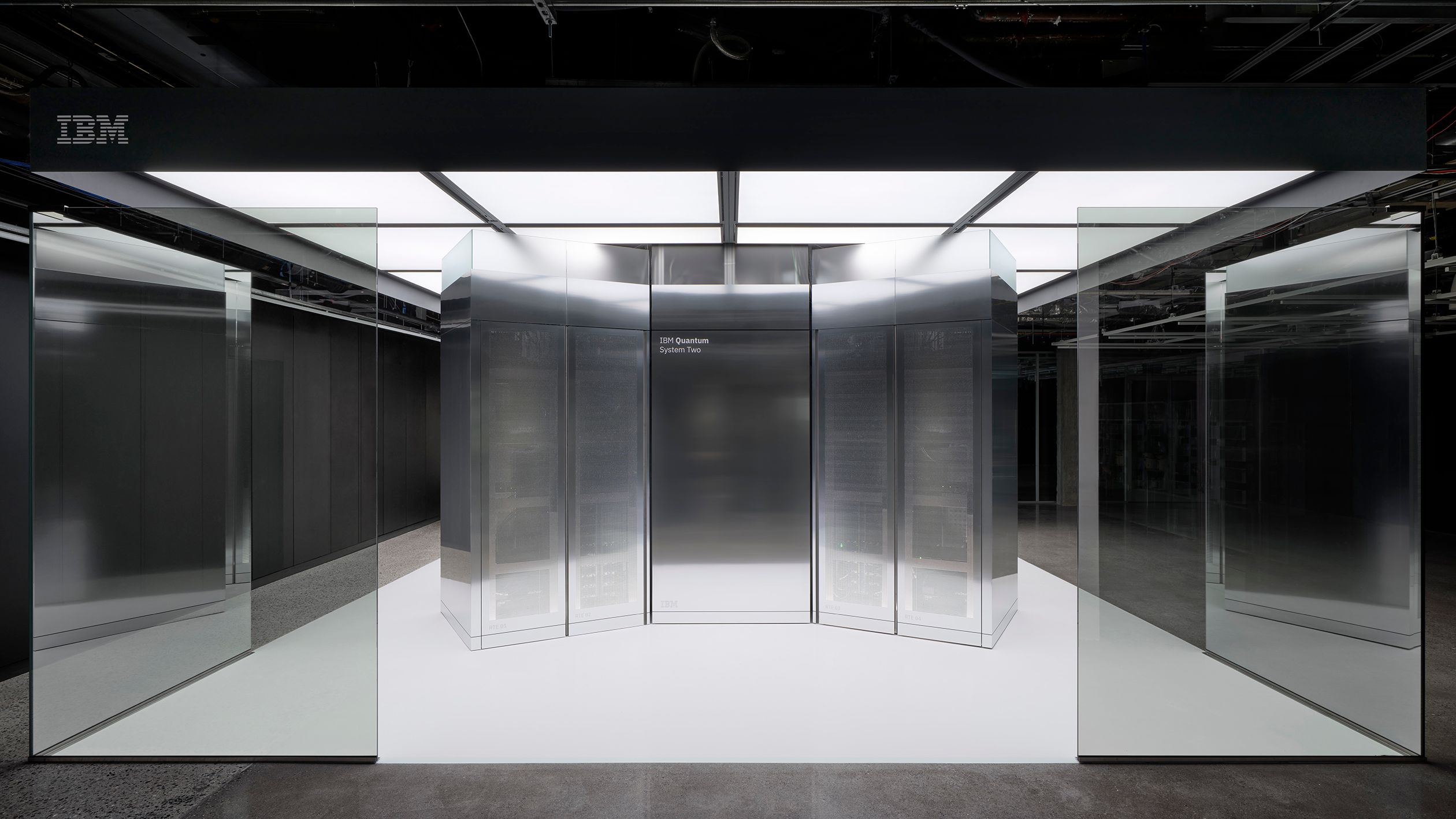
HRL, until now a 50/50 joint venture between Boeing and General Motors, brings expertise in silicon spin qubits, quantum sensing, materials, cryogenics, control electronics, and packaging. For IBM, best known for superconducting processors and its Starling/Blue Jay roadmap, this creates a second technical path without abandoning the first.

Arguments in favor
The strongest argument is complementarity. IBM's superconducting qubits and HRL's silicon spin qubits are not technological copies; they attack the scaling problem from different angles. IBM says both rely on advanced silicon fabrication, which could make HRL's experience valuable for industrializing components that still sit too close to the lab bench.
Timing matters too. IBM is still pointing to Quantum Starling in 2029, with ambitions far beyond today's systems, and Blue Jay in the 2030s. HRL does not need to replace that roadmap to matter: it only needs to accelerate sensors, interconnects, cryogenic controls, materials, or spin qubits that feed the next generation.
The continuity with Boeing and GM is another useful signal. The two companies are selling their stake, but they say they will keep partnering with IBM on quantum applications and advanced technology. That keeps the deal tied to concrete industrial problems, from navigation and defense to materials simulation and complex systems.
Risks and limitations
The first risk is obvious: buying deep science is not the same as turning deep science into a product. Silicon spin qubits promise density and compatibility with semiconductor processes, but converting prototypes into robust, repeatable, fault-tolerant hardware remains brutally hard.
There is also narrative risk. The word "quantum" sells the future, but useful large-scale applications depend on error correction, classical integration, software, operating costs, and scarce talent. The acquisition expands IBM's toolbox, but it does not erase the distance between technical demonstration and practical customer advantage.
Finally, the deal still has to clear customary closing conditions, which IBM expects by the end of the third quarter of 2026. Until then, the integration of teams, intellectual property, and commercial priorities remains a promise rather than an outcome.
Verdict
The IBM-HRL deal matters because it shows strategic maturity: instead of treating quantum computing as a race with a single winning architecture, IBM is buying technical options. If spin qubits help scale fabrication, sensing, or control, HRL could become a quiet but critical piece of the next quantum decade.
For technology watchers, the lesson is simple: the next leap will not come only from "more qubits." It will come from the engineering that makes them manufacturable, connected, and useful. That is where HRL may justify the acquisition.
Comments (0)
No comments yet.