- What happened: NVIDIA made Alpamayo 2 Super available for commercial use on August 4, 2026.
- What it is: an open 34-billion-parameter model for autonomous vehicle and robotaxi development.
- Why it matters: it combines trajectories, reasoning, meta-actions, visual answers, and auto-labeling in one workflow.
- The catch: openness is not the same as a finished product; safety, validation, and regulation still set the real pace.
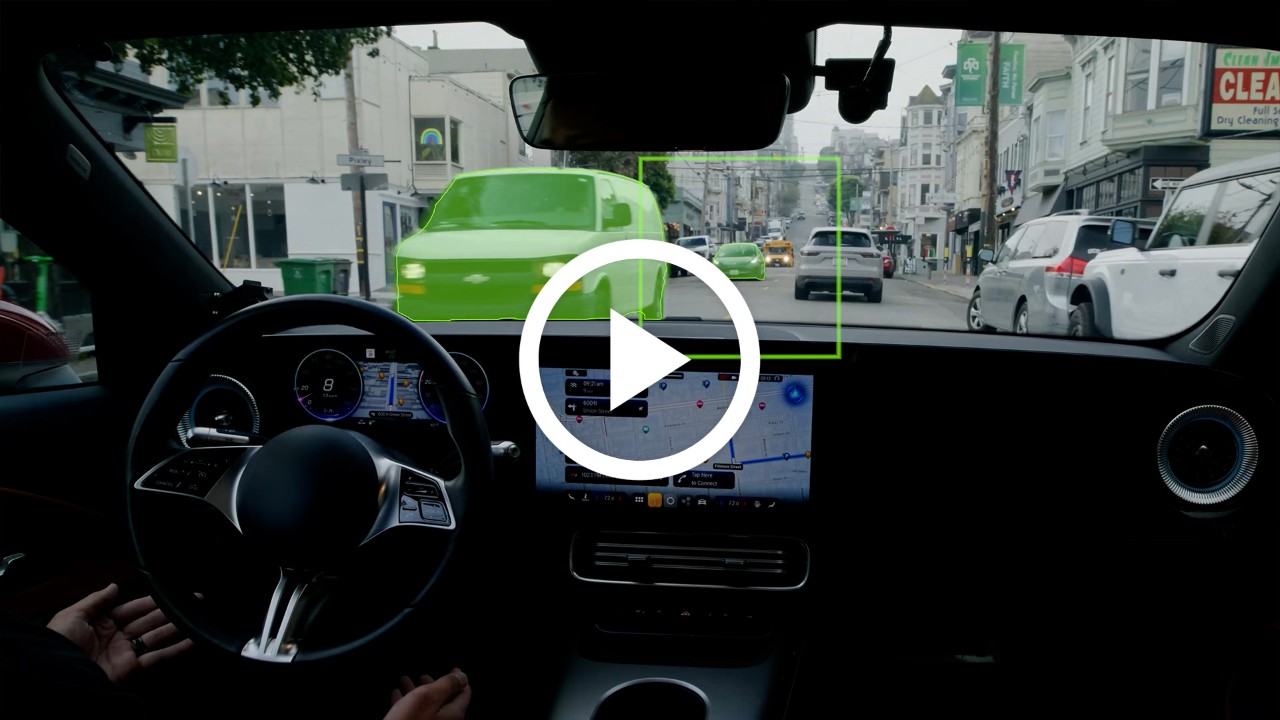
An autonomous car rarely fails because it cannot recognize a traffic light on a perfect day. It fails when the street becomes ambiguous: a stopped van hides a crossing, a bicycle appears from an unusual angle, a pedestrian hesitates, another driver forces a merge. That grey area is where NVIDIA is positioning Alpamayo 2 Super, now available commercially as an open reasoning model for robotaxis and other autonomous vehicles.
The core news
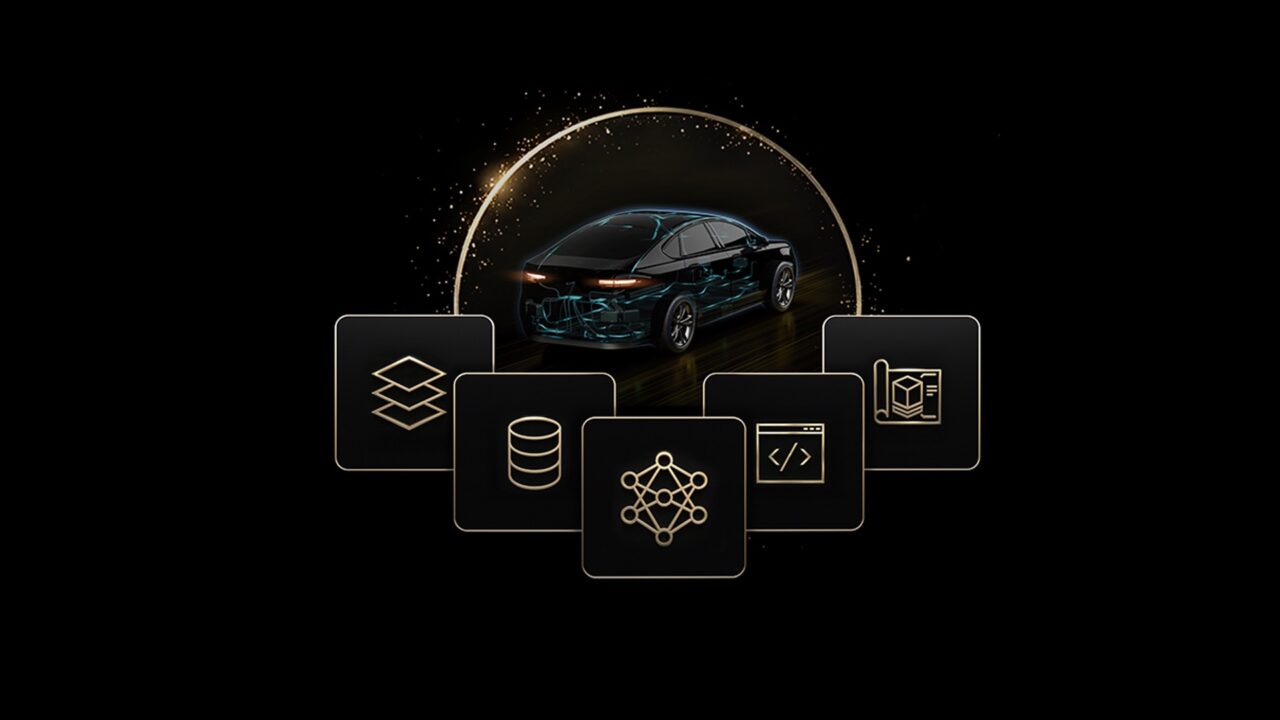
The story is not simply that another large model exists. NVIDIA says Alpamayo 2 Super is now available on Hugging Face under the permissive OpenMDW-1.1 license, allowing fine-tuning, derivative models, and commercial redistribution. The Alpamayo family now has a clearer path from research to adaptation on proprietary data and into commercial autonomy programs.
The model combines a 32-billion-parameter Cosmos 3 Super Reasoner with a 2-billion-parameter Action Expert, post-trained with reinforcement learning. In practical terms, it is designed to process multi-camera video, navigation context, and motion history, returning not only a future trajectory but also an explanation of the reasoning behind that decision.

Why the timing matters
At GTC Taipei in May, NVIDIA introduced Alpamayo 2 Super as part of an ecosystem that includes AlpaGym, AlpaSim, Cosmos-Dreams, and Omniverse-related tools. The August shift is operational: the focus moves to commercial availability, Hugging Face access, and a license that lowers barriers for automakers, suppliers, and research teams that want to experiment on their own data.
NVIDIA says the model leads internal tests and driving-reasoning benchmarks including LingoQA, and that the Alpamayo family has passed 500,000 downloads on Hugging Face. Those numbers deserve caution, because vendor benchmarks do not replace independent road validation. Still, they point to a broader shift: autonomy development is moving from closed stacks toward more open, auditable, reusable components.

What changes for autonomy teams
The most interesting role is the teacher model. Instead of trying to run a 34-billion-parameter model inside the car, a team can use it in the cloud to generate reasoning traces, auto-labels, and synthetic training examples, then distill that knowledge into smaller models optimized for in-vehicle inference.
Alpamayo 2 Super also tries to unify tasks that many teams handle separately: trajectory prediction, meta-actions such as yield or change lane, scene questions, 2D visual grounding, and causal labeling. Fewer separate tools can mean faster iteration, but it also concentrates more responsibility in one foundation model. If the explanation is wrong, a polished trajectory is not enough.
The limit of openness
Open weights and commercial licensing matter, but robotaxis do not reach public streets by download. Regulators, insurers, cities, and safety teams will demand evidence of repeatable behavior, auditable logs, and plans for rare cases. The promise of Alpamayo 2 Super is to make that debate easier to inspect: showing not only what the system would do, but why it would do it.
For anyone following AI, the larger lesson is simple: open models are moving beyond text and code into physical systems, where every decision carries real cost. Alpamayo 2 Super does not solve level 4 autonomy by itself, but it adds a new piece to the table: driving reasoning open enough to be adapted, criticized, and compared.
Sources: NVIDIA Blog, NVIDIA Developer Blog, NVIDIA Newsroom, and Hugging Face.
Comments (0)
No comments yet.