Rust received its Common Ground update from Facepunch on July 2, 2026, and this is more than another monthly wipe patch. The key addition for organized communities is easy to understand: Rust now has an official clan system, created and managed through Clan Tables.
For group leaders, server moderators, and teams trying to grow from loose squads into stable communities, that changes the daily workflow. A lot of Rust organization used to live outside the game: Discord channels, spreadsheets, server plugins, pinned messages, and manual planning before wipe day. Now there is a native layer inside Rust for roles, permissions, clan chat, announcements, and map identity.
Why it matters now
Rust runs on cycles. When a forced wipe lands, every group has to decide who farms, who scouts, who builds, who protects resources, and who talks to allies. The new clan system arrives exactly at that reset point: more internal visibility, less improvisation, and a clearer way to separate new members, officers, builders, and leaders.
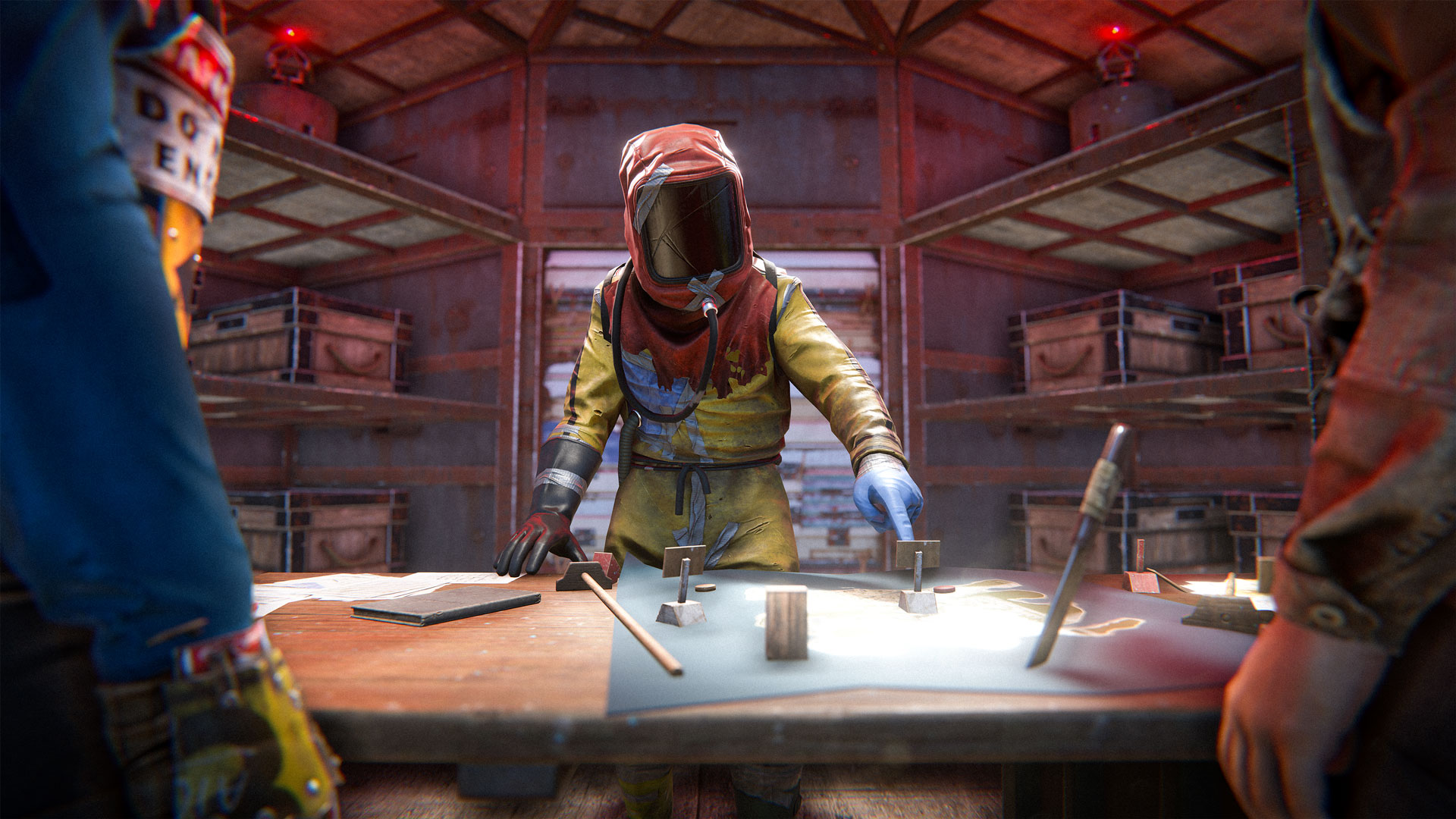
Facepunch describes clans as a more advanced version of teams: more members, roles and permissions, a dedicated chat channel, and announcement/MoTD text. Clan names can appear on player nameplates, nearby clan members can show on the map, and Hardcore mode remains excluded from the feature.
Apartment Complex: a temporary foothold on wipe day
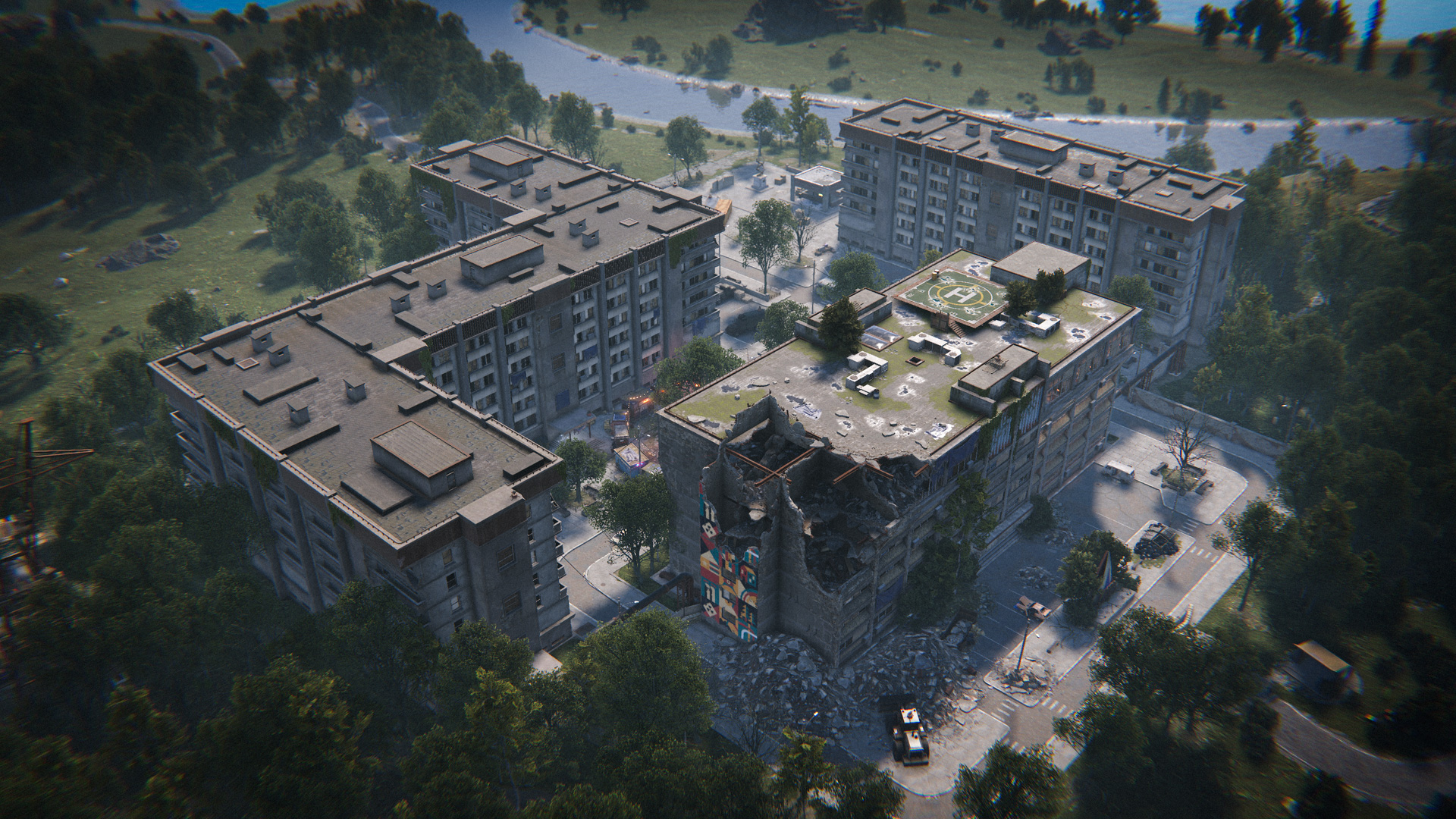
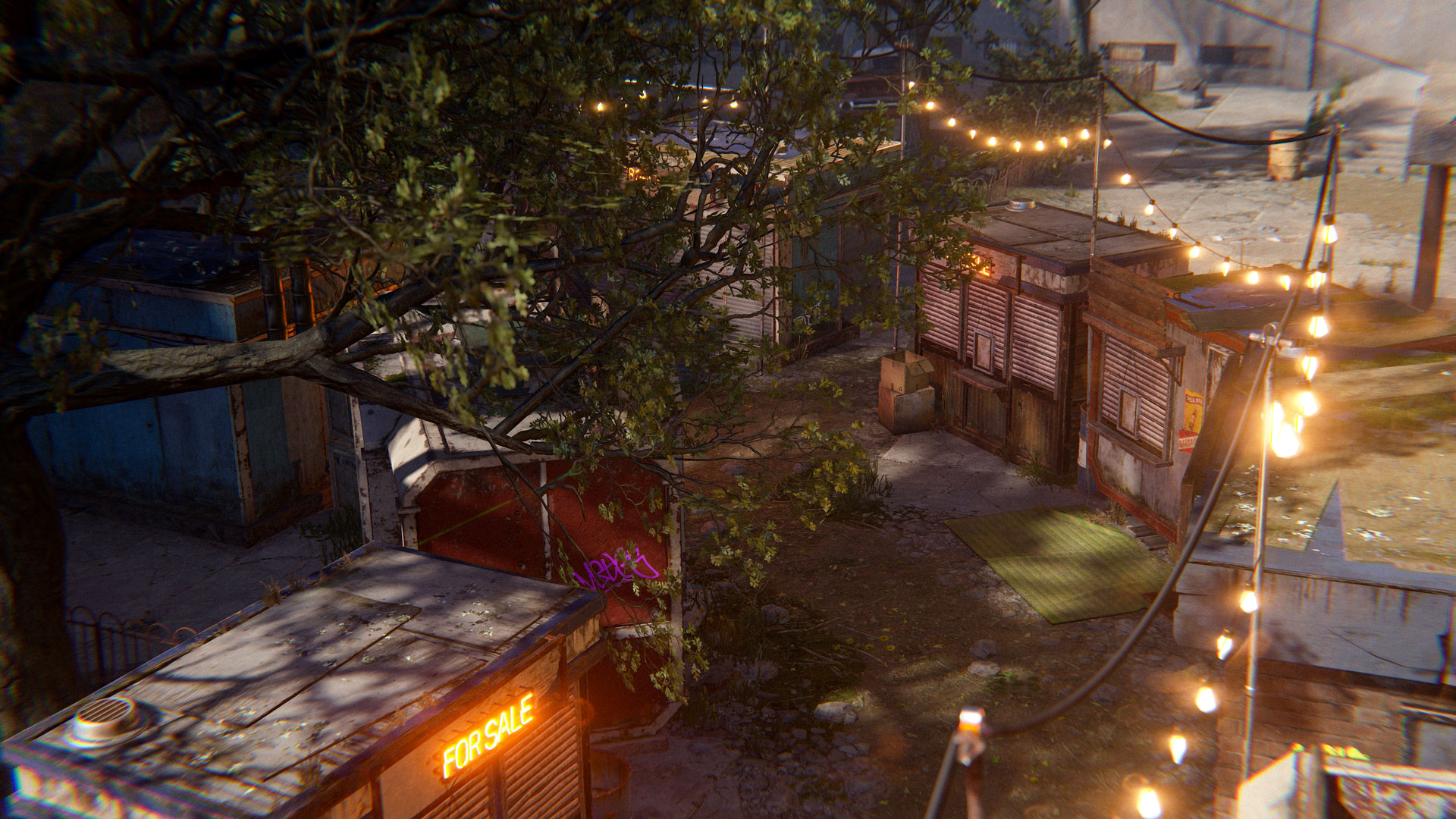
The same update adds the Apartment Complex, a monument where players can rent rooms, use shops, and stabilize before they have a permanent base. For solo players and small groups, it creates a less chaotic meeting point in the first hours. For larger clans, it creates new routes for trading, ambushes, and logistics.
A chance for community servers
Community servers should treat Common Ground as more than new content. It is a good moment to review rules, plugins, recruitment pages, and public announcements. If your server has roleplay, organized PvP, or weekly events, Clan Tables can become a central tool for tournaments, controlled wars, and player-run economies.
- Before wipe: publish updated rules for clans, names, alliances, and role abuse.
- On wipe day: explain how staff will handle Clan Tables, shops, and the Apartment Complex.
- After launch: collect feedback on permissions, map visibility, and Softcore raid windows.
Where Battlehorns fits naturally
The game now gives clans more internal tools, but public presence still lives outside the server. A simple page with wipe calendar, rules, application form, Discord links, and event history keeps important information from being buried in old messages.
If you are organizing a Rust community, Battlehorns shared hosting with PHP, SSL, and MySQL can host that public base, while Discord remains the daily chat hub. A good site answers three questions before someone joins: who you are, when you play, and how to apply.
Quick read for clan leaders
Common Ground does not remove the need for external organization; it makes it more valuable. The more power the game gives to groups, the more useful public rules, official channels, and clear identity become. The clan that enters wipe day with roles, a recruitment page, and a communication plan will get more from these tools than the group deciding everything during the first raid.
Comments (0)
No comments yet.