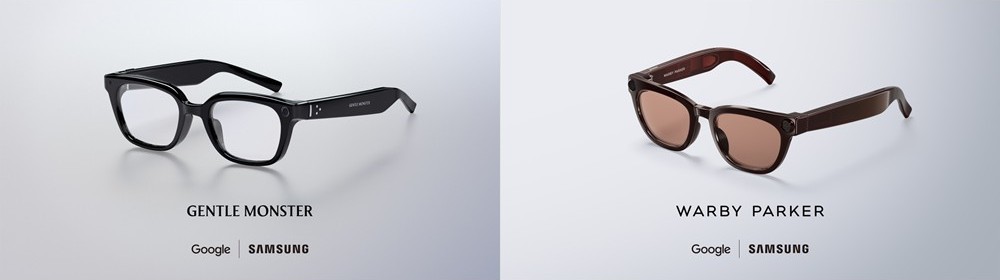
A camera on your face is no longer a lab idea. On July 22, 2026, at Galaxy Unpacked in London, Samsung showed its Intelligent Eyewear: AI glasses built with Google, Qualcomm, Gentle Monster and Warby Parker, designed to be worn as a normal accessory rather than a niche gadget.
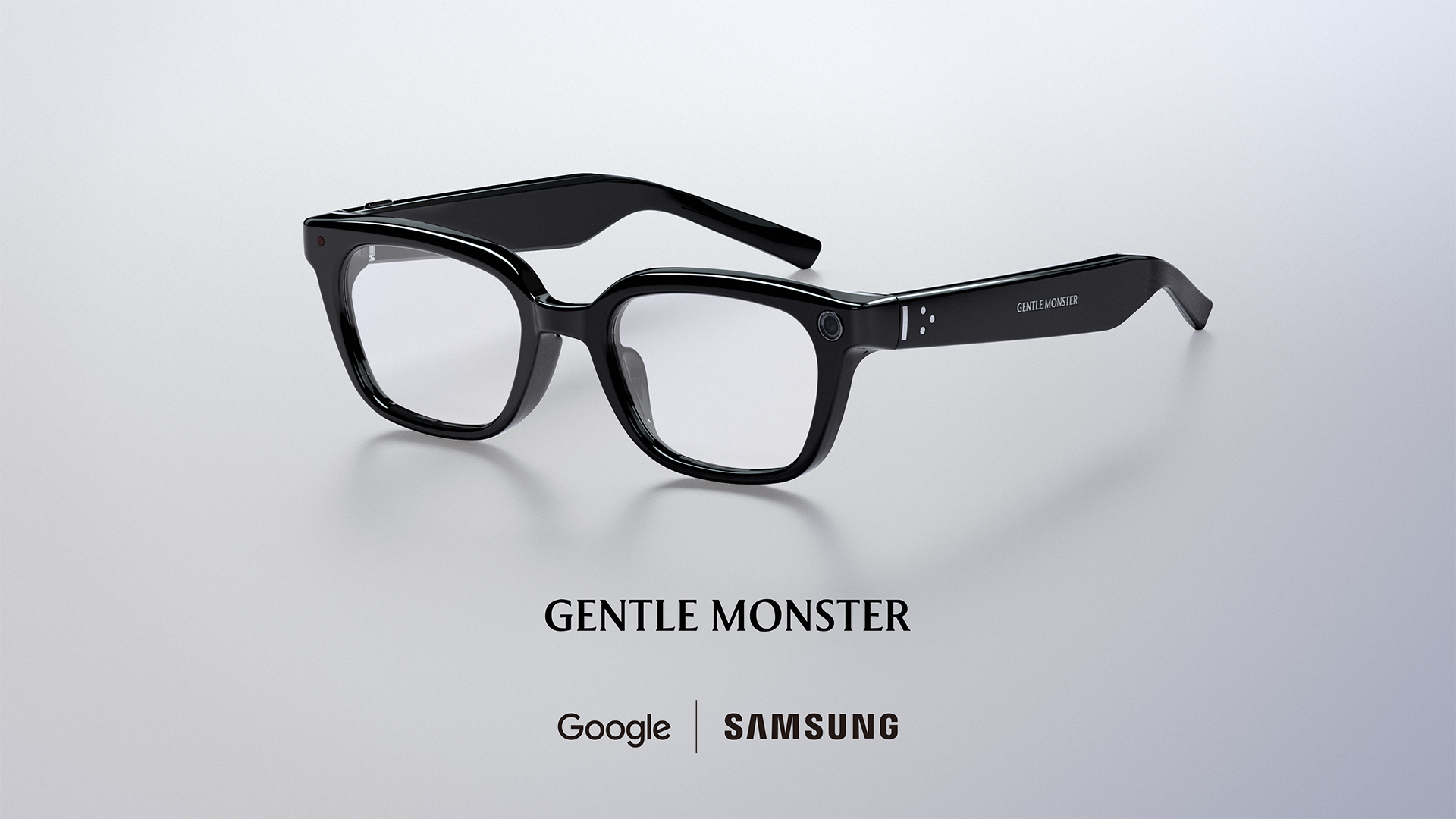
The pitch is easy to describe and hard to execute: a lightweight, display-free frame with Android XR, Gemini, a Snapdragon AR1 Gen 1 chip, a camera for visual context, up to nine hours of battery life and a case that can add up to seven full charges. Samsung has not announced pricing or a final date yet, but it is aiming for a fall launch and a premium position.
Arguments in favor
The first strength is the decision not to put a display in the lens. That reduces weight, battery load and heat, and makes the product feel closer to something someone could wear during travel, meetings or a walk. Instead of trying to replace the phone, the glasses become an extension of it.
The second strength is the ecosystem. Samsung talks about Galaxy integration, but Korea Herald coverage says the first generation should also work with other Android phones and iOS devices. That openness matters: the AI glasses market is still too small to survive inside a single phone brand.
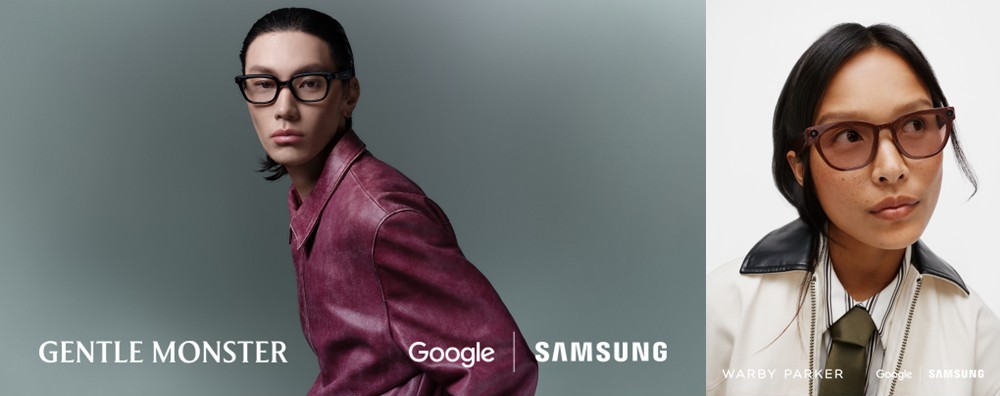
The third strength is the eyewear partnership. Gentle Monster and Warby Parker are not just about looks; they help with fit, prescription lenses, optical retail and the detail many tech companies underestimate: real comfort after several hours.
Risks and limits
The uncomfortable question remains: who is being recorded, when, and with what consent? The Verge noted that every pair it saw had a camera and recording LED, and that Samsung is discussing safeguards against attempts to block that indicator. Still, public perception will be decisive.
Pricing is also unknown. If the product lands too high, it may get trapped between two groups: enthusiasts who want display-based AR and consumers who only want discreet earbuds with a voice assistant. Without an aggressive price or a must-have feature, nine hours of battery may not be enough.
There is also the phone dependency. Samsung describes a split-computing model where heavier tasks use the connected smartphone. That helps with weight, but it means performance, privacy and real-world usefulness will depend heavily on the software in your pocket.
Verdict
Samsung Intelligent Eyewear matters because it turns AI glasses into an ecosystem race. Meta has already shown that there is appetite for cameras on the face; Samsung, Google and Qualcomm now want Android XR to become the common layer for visual assistants, live translation, message summaries, navigation and contextual capture.
For online communities, streamers and teams living between calls, events and quick notes, the form factor could become useful if it respects clear privacy limits. But success will not be decided only by Gemini or the Snapdragon AR1. It will be decided by something simpler: whether the people around the wearer accept being near them.
Comments (0)
No comments yet.