AMD announced on August 6, 2026 that it has reached a definitive agreement to acquire Taalas, a Toronto startup focused on specialized silicon for AI inference. Taalas has an unusual thesis: instead of running a model on a general-purpose accelerator, turn that model into dedicated hardware.

AMD's announcement says Taalas technology optimizes inference dataflows, reducing compute and memory bottlenecks associated with general-purpose architectures. Put simply: when a model is stable enough, Taalas tries to move execution closer to the physical limits of the chip.
That matters now because the AI industry is shifting from a training-first race to an everyday inference race. Agents, copilots, search systems, recommendation engines and real-time assistants generate constant inference requests. As those requests grow, one question becomes harder to ignore: should every workload run on flexible GPUs, or should some of them move to much more specialized silicon?
What Taalas brings to the table
Taalas calls its chips Hardcore Models: implementations where a model's weights and architecture are embedded into the circuit itself. The company summarizes the idea with a striking line, "The Model is The Computer". The promise is much higher performance and efficiency for selected models, with an obvious trade-off: less flexibility when the model changes.
Technical coverage from Unite.AI and other outlets explains that Taalas' first public demonstration focused on Llama inference, with aggressive vendor claims for tokens per second, cost and power use. Those figures still need independent production validation, but they explain why AMD would want this engineering team inside its roadmap.
How it fits AMD's roadmap
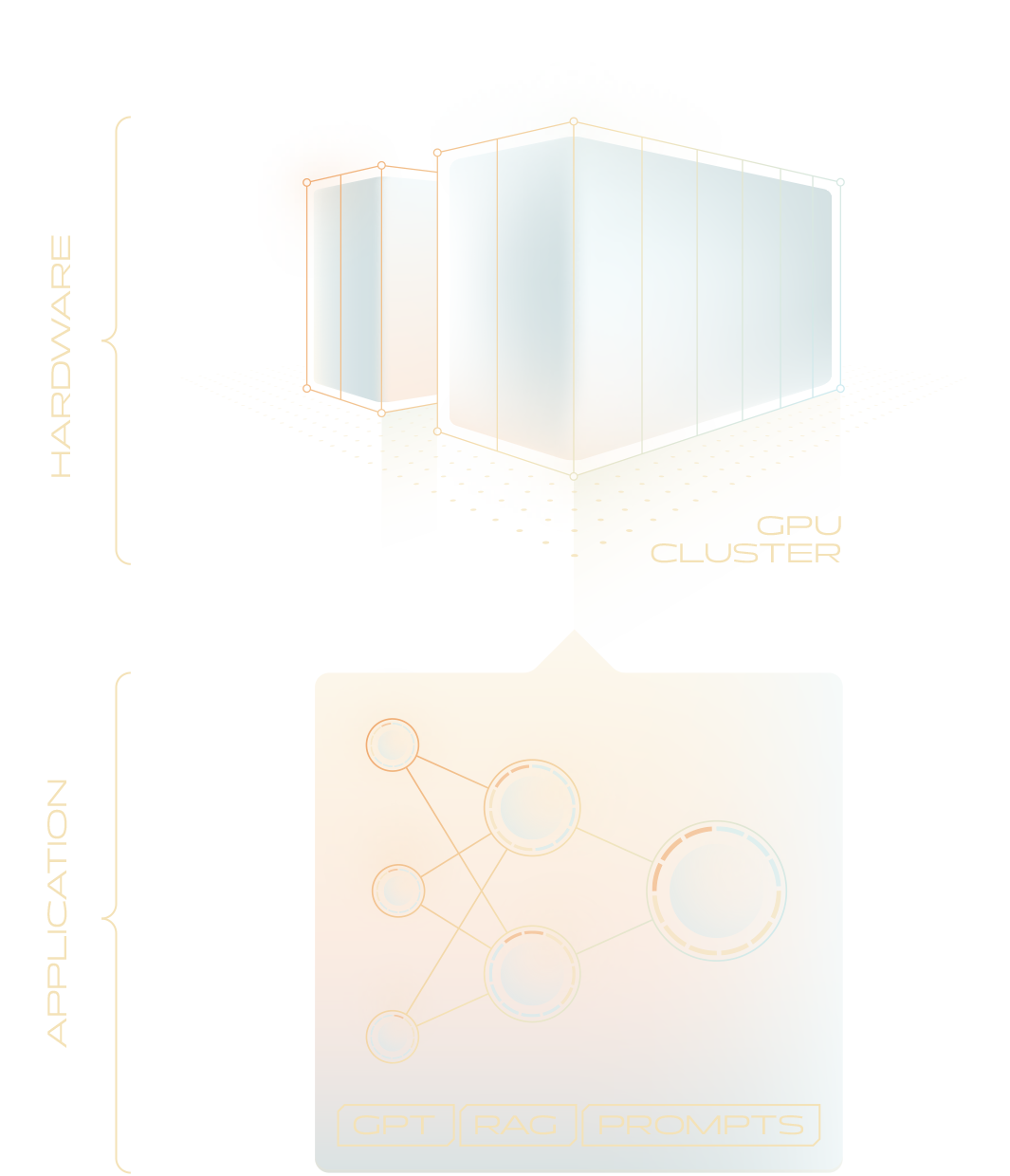
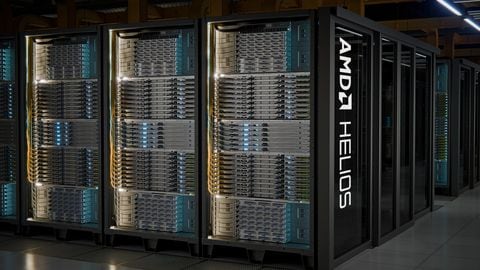
AMD did not present the acquisition as a replacement for Instinct GPUs. Instead, it said Taalas technology will complement its full-stack platform, including Instinct, EPYC, ROCm and Helios rackscale systems. The cautious reading is that AMD wants more kinds of accelerators for more kinds of workloads.
That distinction matters. GPUs still make sense for training, research, fast-changing models and mixed workloads. Chips etched for a specific model make more sense when there is scale, stability and predictability. The Taalas deal signals that AMD wants to play both games: general-purpose flexibility and specialized efficiency.
What changes for tech watchers
For end users, nothing changes overnight: AMD disclosed no deal price, the transaction remains subject to customary closing conditions and regulatory approvals, and there is no commercial Taalas product date from AMD yet. But for anyone watching AI, data centers or cloud costs, the signal is clear.
The market is admitting that inference is no longer just an extension of training. It is its own discipline, with different architecture, energy, latency and economics. If popular models remain stable for months, hardware built specifically for them may make sense. If they change every week, flexibility still wins.
Our read: buying Taalas does not kill the GPU, but it makes the AI hardware conversation more interesting. The next phase will not be only about "who has the fastest chip"; it will be about who combines the right chip, the right software and the right cost for each model.
Comments (0)
No comments yet.