Google's August 12 announcement looks, at first glance, like the usual annual routine: new phones, a new watch and new accessories. But Made by Google 2026 carried a more interesting message than the spec sheet: the company wants Pixel to stop being a single screen and become a set of signals spread across the day.
The products are concrete. The Pixel 11 family includes Pixel 11, Pixel 11 Pro, Pixel 11 Pro XL and Pixel 11 Pro Fold. Pixel Watch 5 doubles down on health, GPS and proactive assistance. Pixel Tag, Google's first own-brand finder tag, finally joins the Find Hub network to compete in the market for trackers attached to keys, wallets and luggage. The phones and watch opened for preorders on August 12 and reach shelves on August 20; Pixel Tag is promised for November 11.

What was announced
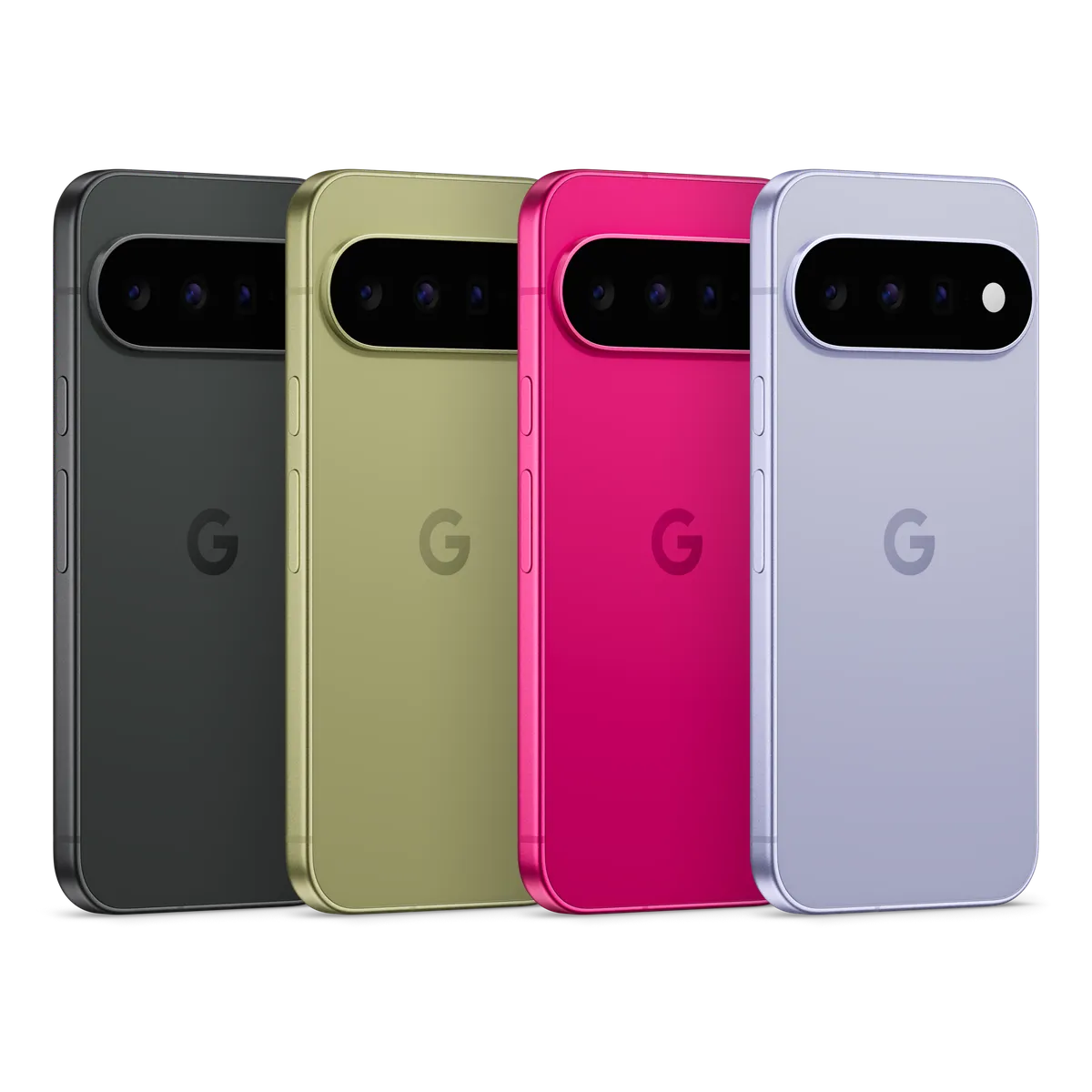
On phones, Google is positioning Pixel 11 as hardware built for Gemini Intelligence. The official series page points to the new Tensor G6 chip, upgraded cameras, improved durability and features such as Magic Capture, Rambler and HiLight. According to Google, Pixel 11, Pixel 11 Pro and Pixel 11 Pro XL start at $899, $1,099 and $1,299 respectively, with retail availability on August 20. Pixel 11 Pro Fold follows the same window with a thinner, lighter design than the previous generation.
The important read is not that every single feature is life-changing. It is that Google is trying to remove friction from small moments: a photo the user almost missed, a notification seen without picking up the phone, a more natural transcription or a contextual search performed without opening a stack of apps. AI stops being only a text box and starts showing up as device behavior.
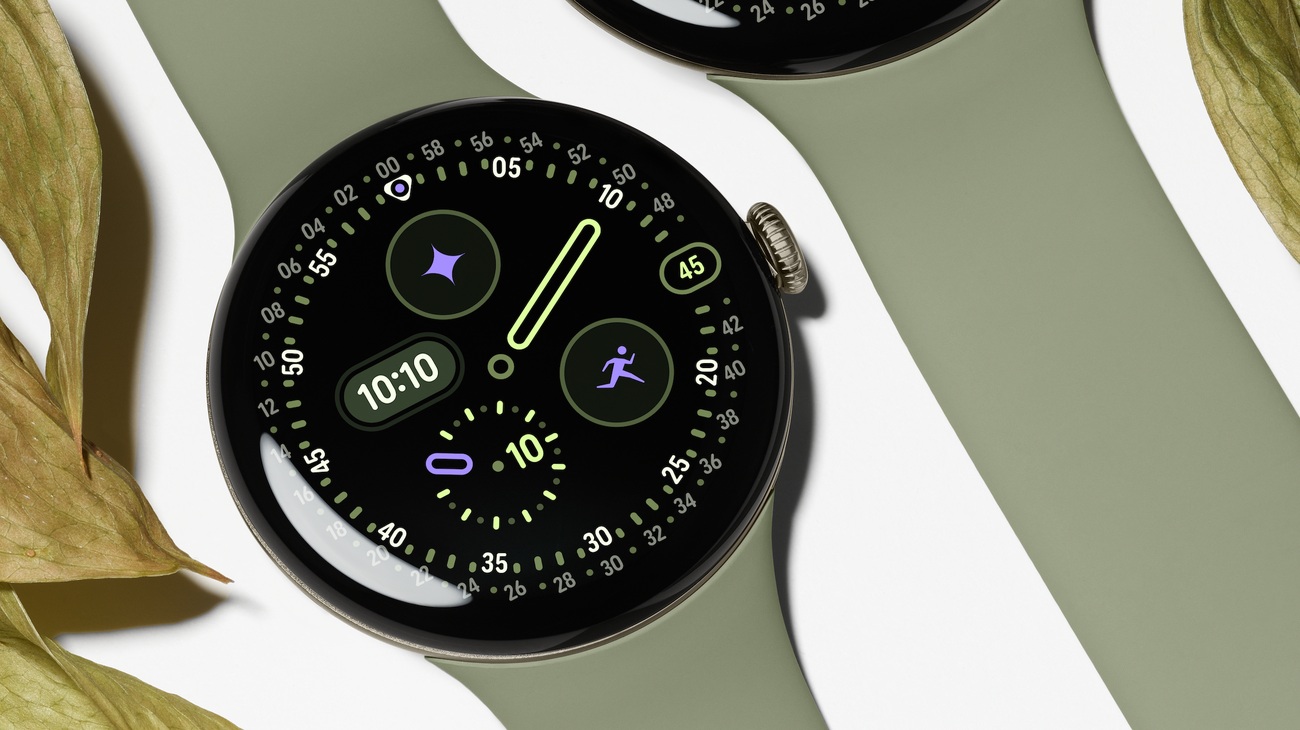
On the wrist, Pixel Watch 5 tries to move the conversation from notifications to prevention. Google highlights Health Guardian, monthly trend summaries for blood pressure, sleep breathing quality and insulin resistance, plus breathing emergency detection. That last feature uses on-device sensors and AI to look for persistent oxygen drops; if the wearer does not respond, it can call emergency services and share location, launching first in Europe. Google also stresses that these are wellness insights, not a replacement for medical diagnosis.
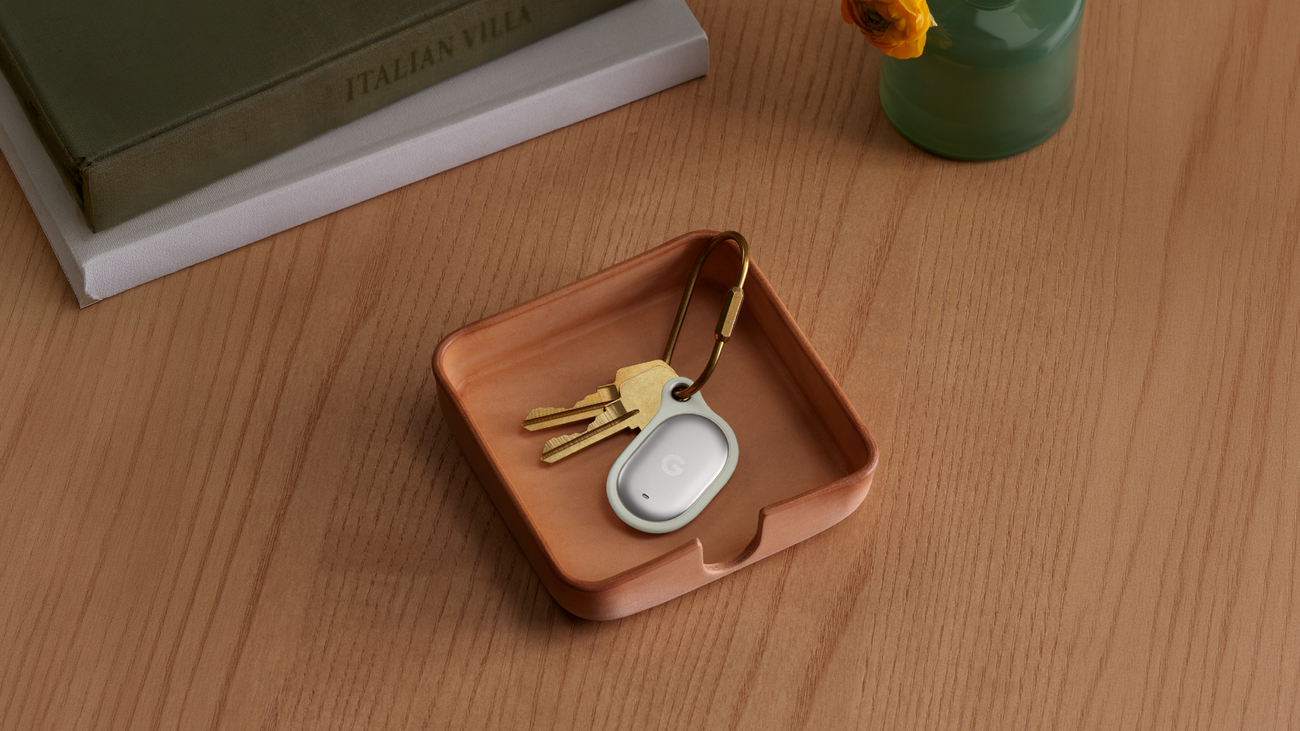
The smallest product may be the most revealing one. Pixel Tag costs $29, or $99 in a four-pack, and includes a replaceable battery, IP67 resistance, a speaker and Ultra-Wideband with Bluetooth Channel Sounding. In practice, Google is saying that Find Hub is now large enough to justify its own accessory. Privacy and safety matter here too: trackers are helpful when they find your backpack, but worrying when they can follow someone without consent.
What changes for technology buyers
This launch matters now because the Pixel 11 line reaches stores in days and because it shows how consumer AI is changing shape. In 2023 and 2024, the question was which app had the best chatbot. In 2026, the question is which ecosystem can understand context without making the user stop everything to write a prompt.
There are clear limits. Many features depend on country, language, age, subscription or regulatory approval. Pixel Tag does not arrive until November. Health features need to be treated as wellness signals, not clinical verdicts. And any assistant that crosses phone, watch, earbuds and finder tag deserves scrutiny around data, consent and visible controls.
Even so, the direction is clear. Google is no longer just selling a phone with a better camera. It is trying to sell a layer of anticipation: something that captures the right moment, summarizes body signals, finds objects and invokes Gemini before the user turns a need into a search. Pixel 11's success will not depend only on benchmarks. It will depend on whether that promise feels like help or intrusion.
Comments (0)
No comments yet.